
Energy Storage Systems are becoming the backbone of modern power infrastructure, enabling utilities and industrial operators to balance renewable generation, stabilize grids, and reduce long-term energy costs.
Since the global energy landscape is undergoing a radical transformation as the world pivots away from fossil fuels toward intermittent renewable sources like solar and wind, our lithium-ion platforms are engineered to deliver high cycle life, modular scalability, and dependable performance across diverse operating environments.
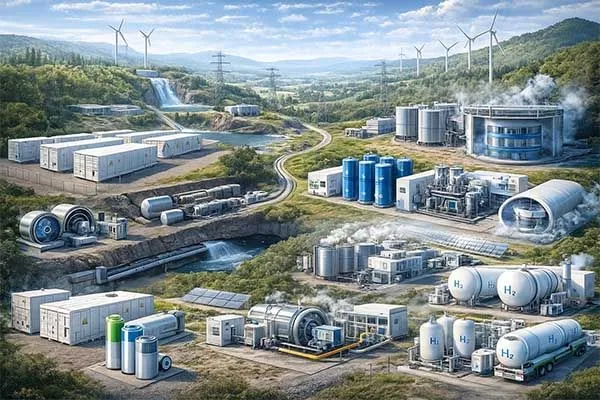
However, the inherent variability of these sources necessitates a robust infrastructure for renewable energy integration.
At the heart of this transition are energy storage systems, which serve as the vital bridge between energy generation and consumption, from peak-shaving and load shifting to backup power and microgrid support, these solutions provide a future-ready foundation for cleaner, smarter, and more resilient energy networks.
By capturing surplus power during peak production and releasing it when demand spikes, a battery energy storage system ensures grid stability and energy security for both residential and industrial sectors.
The Chemistry of Choice: Why LFP Dominates the Market
When selecting the core technology for a BESS (Battery Energy Storage System), safety and longevity are the primary considerations. While various technologies exist, such as the thermal energy storage system or the mechanical flywheel energy storage system, lithium-ion—specifically Lithium Iron Phosphate (LFP)—has emerged as the undisputed industry standard.
Long Sing Energy utilizes premium LFP storage batteries because they offer a superior safety profile compared to Nickel Manganese Cobalt (NMC) chemistries. LFP cells are inherently stable, with a much higher thermal runaway temperature. Furthermore, for a large-scale energy storage system, the total cost of ownership is dictated by cycle life. Long Sing’s LFP solutions provide over 10,000 cycles at 80% Depth of Discharge (DoD), ensuring that an energy storage system remains operational for over a decade with minimal degradation.
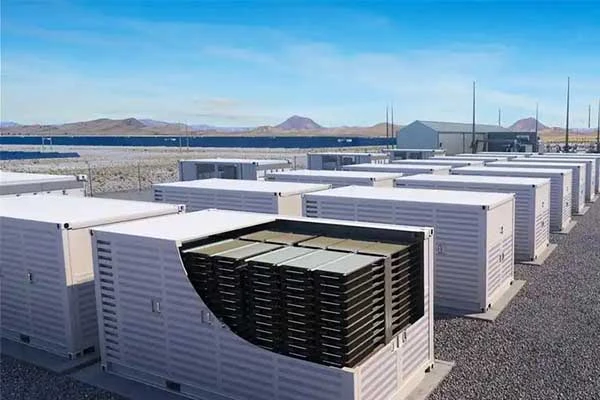
Modular Design: From Residential Walls to Utility Grids
Scalability is the cornerstone of modern energy storage systems. A “one size fits all” approach is no longer viable in a market that ranges from small-scale energy storage systems for homes to massive 100MWh grid-side installations.
Long Sing Energy employs a modular architecture that allows users to stack capacity as their needs grow. For small-scale applications, home energy storage systems are often designed as sleek, wall-mounted units that integrate seamlessly with existing PV arrays.
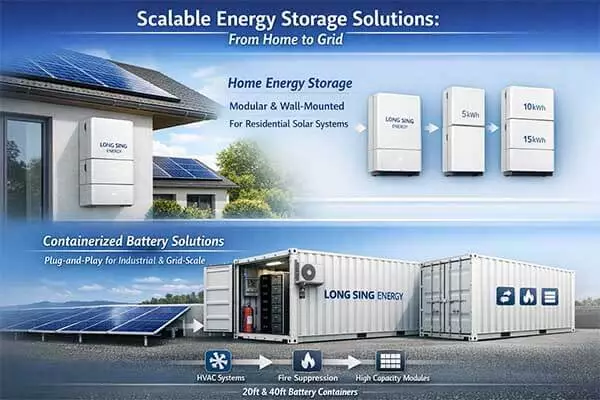
For the industrial sector, containerized battery solutions provide a “plug-and-play” approach, housing thousands of cells, HVAC units, and fire suppression systems within a standard 20ft or 40ft shipping container.
Capacity Comparison Table
The following table illustrates the scalability of Long Sing’s solar energy storage system offerings across different sectors.
| Application Type | Modular Unit | Typical Voltage | Typical Capacity |
|---|---|---|---|
| Residential | Wall-Mount Pack | 51.2V | 100Ah – 200Ah |
| Commercial | Rack-Mounted Array | 384V – 768V | 500Ah – 1000Ah |
| Utility/Grid | 20ft Container | 1000V – 1500V | 2MWh – 5MWh |
While Energy Storage Systems focus on large-scale power management, the same lithium-ion technologies also support a wide range of mobile and distributed energy applications.
In electric mobility, high-energy battery systems enable electric buses, forklifts, and industrial EVs to operate with zero emissions and predictable performance. Light electric vehicles (LEVs) such as e-bikes, scooters, and delivery robots rely on compact, fast-charging battery packs derived from the same cell platforms used in stationary ESS.
For power tools, lithium-ion battery technology delivers high discharge rates and long cycle life, making it possible to power professional-grade cordless equipment with grid-level reliability.
In recreational vehicles (RVs), energy storage systems provide off-grid power for lighting, appliances, and climate control, creating a seamless link between mobile living and stationary energy storage.
Meanwhile, unmanned aerial vehicles (UAVs) depend on lightweight, high-density lithium battery systems that are engineered from the same core chemistries used in scalable ESS solutions, ensuring stable output and extended operational time.
Economic Optimization: Peak Shaving and Load Leveling
For businesses, the primary driver for adopting a battery energy storage system is economic. Commercial energy costs are often split between actual consumption and “demand charges” based on the highest point of usage.
By implementing an ESS, companies can engage in “Peak Shaving”—using stored battery power during peak hours to keep their grid draw below a certain threshold. Additionally, “Load Leveling” allows a solar energy storage system to store energy when electricity prices are low (or when the sun is brightest) and discharge it when prices are high. This strategic use of energy storage systems can reduce industrial electricity bills by up to 40%.
Safety Protocols and Intelligent Management
Safety is not an afterthought; it is the foundation of every battery energy storage system bess. Long Sing Energy integrates a multi-tier Battery Management System (BMS) that monitors voltage, current, and temperature at the individual cell level.
- Level 1 (Cell/Module): Passive balancing and local thermal monitoring.
- Level 2 (Rack): Short-circuit protection and automated disconnection.
- Level 3 (System/Container): Integration with external fire suppression and HVAC controls.
In high-density energy storage systems, Long Sing uses aerosol or liquid cooling systems to ensure that even under heavy load, the temperature remains within the optimal range for LFP chemistry.
Long Sing Energy: Advantage and Case Studies
Long Sing Energy stands out by offering vertically integrated solutions. Unlike many assemblers, we control the quality from the raw material to the final battery energy storage system. Our advantage lies in high energy density, a proprietary BMS that supports remote OTA (Over-the-Air) updates, and a robust mechanical design that withstands harsh environmental conditions.
Actual Case Study Analysis
Below are two real-world deployments of our energy storage systems demonstrating performance and output.
| Project Location | System Type | Input Source | Actual Output (Voltage/Capacity) |
|---|---|---|---|
| California, USA (Residential) | home energy storage systems | 10kW Rooftop Solar | 51.2V / 400Ah (20.48kWh) |
| Hebei, China (Industrial) | Industrial ESS | Grid + Wind Farm | 768V / 1200Ah (921.6kWh) |
| Munich, Germany (Community) | solar energy storage system | Shared Solar Park | 400V / 2500Ah (1MWh) |
In the California case, the homeowner achieved 95% energy self-sufficiency using our home energy storage systems. In the industrial Hebei project, the high-voltage battery energy storage system allowed the factory to avoid peak-hour surcharges completely.
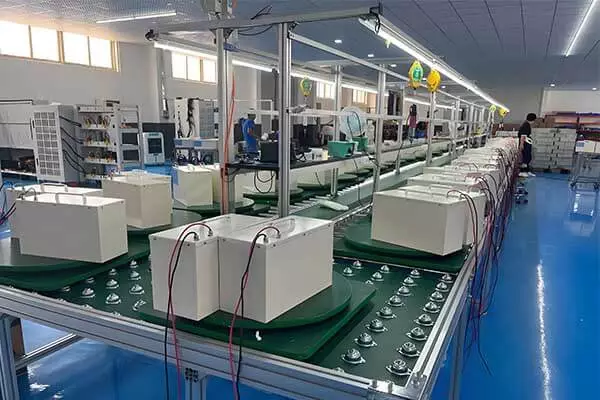
The Future: AI and Predictive Maintenance
The next frontier for energy storage systems is the integration of Artificial Intelligence. As we deploy more massive energy storage systems, manually monitoring thousands of battery racks becomes impossible.
Long Sing Energy is currently developing AI-driven software that predicts “State of Health” (SOH) degradation patterns. This allows for predictive maintenance, where a technician can replace a single aging module before it affects the efficiency of the entire energy storage system.
Furthermore, AI can sync a home energy storage systems network with weather forecasts, automatically charging the batteries to 100% if a storm and potential power outage are predicted.
Conclusion
Whether it is through energy storage systems designed for the modern smart home or massive utility-scale deployments, the goal remains the same: a cleaner, more resilient energy future. By leveraging LFP technology, modular design, and advanced safety protocols, Long Sing Energy provides the tools necessary for a sustainable world.
Ready to power your next energy storage project?
Click the inquiry form below to share your project details, and our battery specialists will provide you with a tailored solution, technical support, and a fast quotation. Let’s build a smarter, more resilient energy future together.